
AI Governance
Knowledge Just Became a Commodity. Judgement Didn't.
AI has made access to knowledge as cheap as electricity, and your competitors pay the same price. Intelligence hasn't got any cheaper. The value has moved next door, to judgement.
Choosing a direction and what you won't do. Clear priorities, explicit choices and an honest view of where you stand, rather than a vision statement on a slide.
AI Governance
AI has made access to knowledge as cheap as electricity, and your competitors pay the same price. Intelligence hasn't got any cheaper. The value has moved next door, to judgement.

Strategy
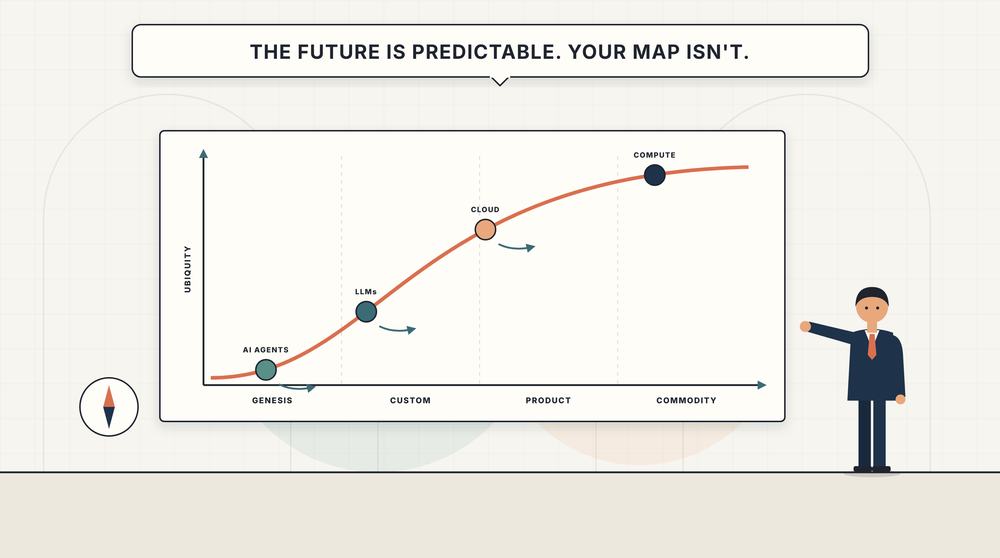
A 2x2 matrix will sort your list. It won't tell you what depends on what, which way things are moving, or why. For strategy, you need a map.
Governance
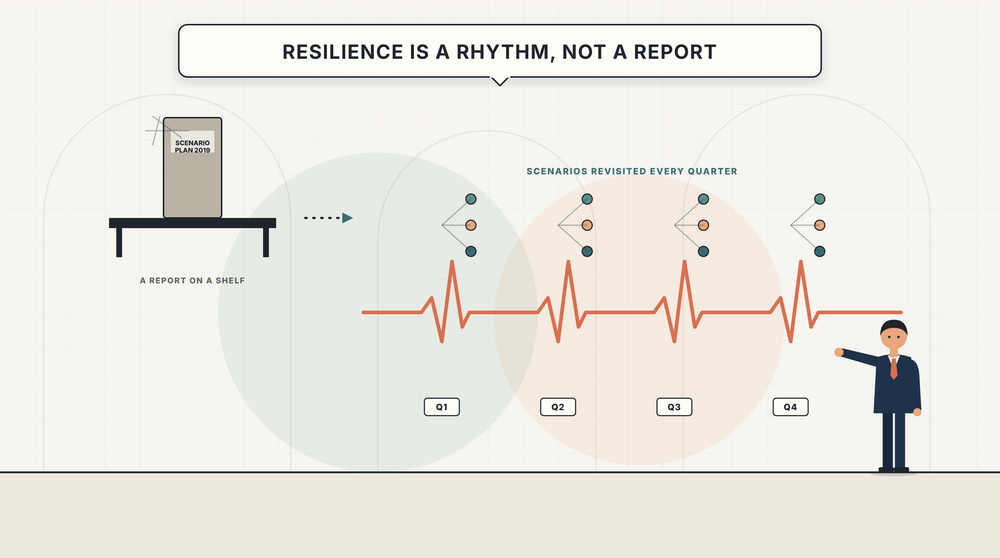
Pandemic, tariffs and conflict have turned scenario planning from an annual offsite exercise into a standing board discipline. The boards doing it well aren't predicting the future. They're rehearsing it.
Strategic Foresight
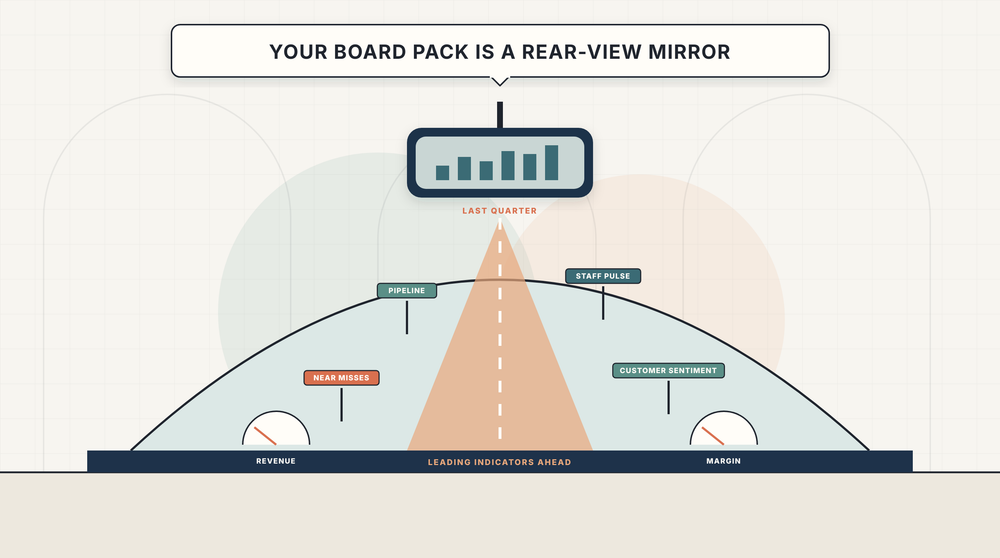
Most board packs are beautifully accurate about the past. Forward-looking metrics and weak signals are how directors get to choose, rather than react.
Strategy
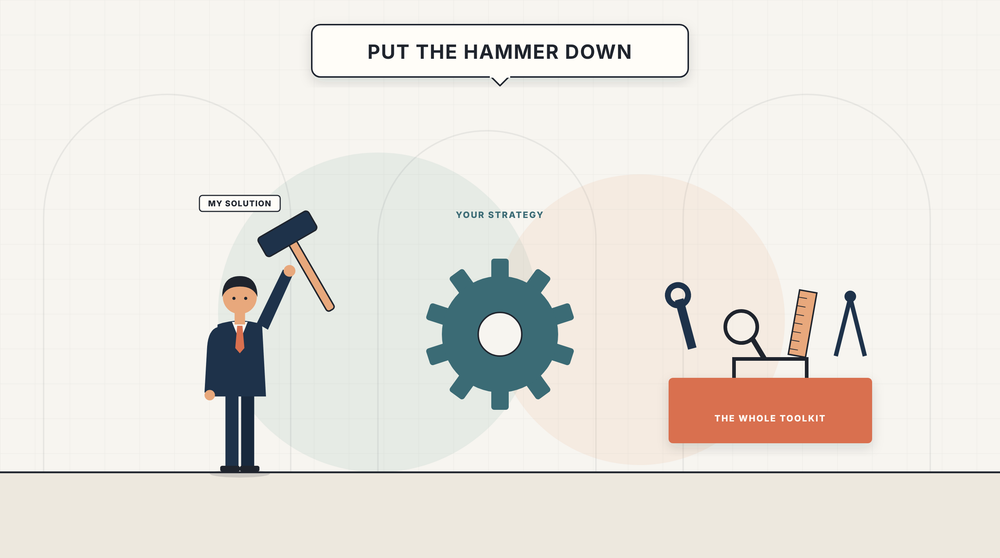
Bring the same problem to five advisers and you get five diagnoses. The law of the instrument, why it gets more dangerous with seniority, and three habits to catch the hammer before it swings.
Strategy
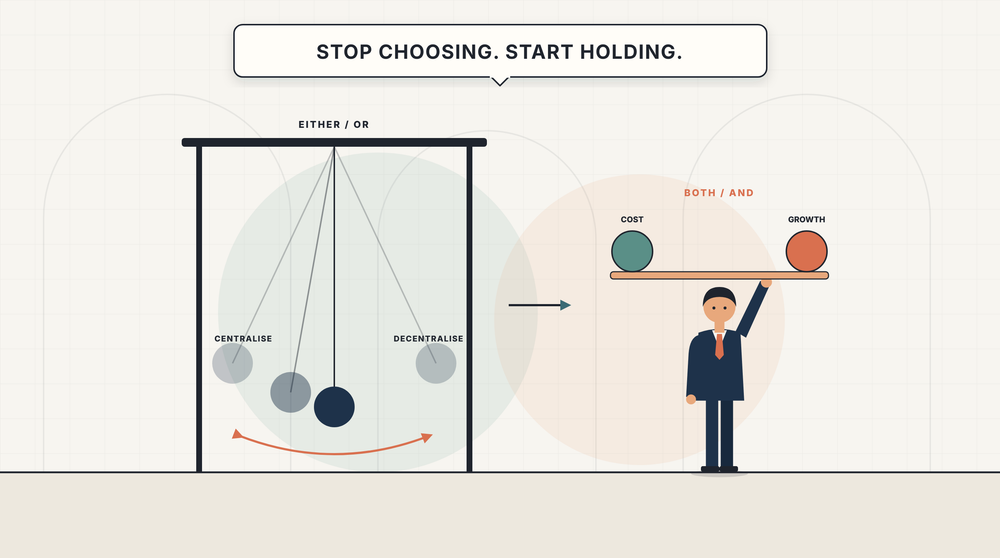
Centralise or decentralise? Cost or growth? Many boardroom choices are not problems to solve but dilemmas to hold. Why the pendulum keeps swinging, and how to stop it.
Strategy
I hear a version of the same question from almost every executive team I sit with: “what should our AI strategy be?” It’s asked as if there’
Governance
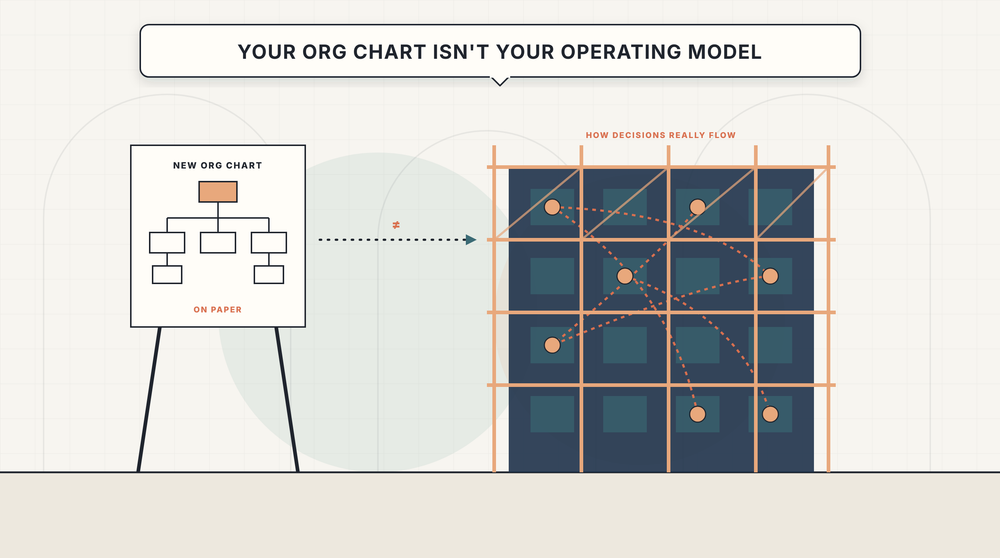
A new org chart rarely changes how decisions get made. Conway’s Law explains why, and why enterprise architecture is the scaffolding that decides whether your strategy stands up.
Leadership
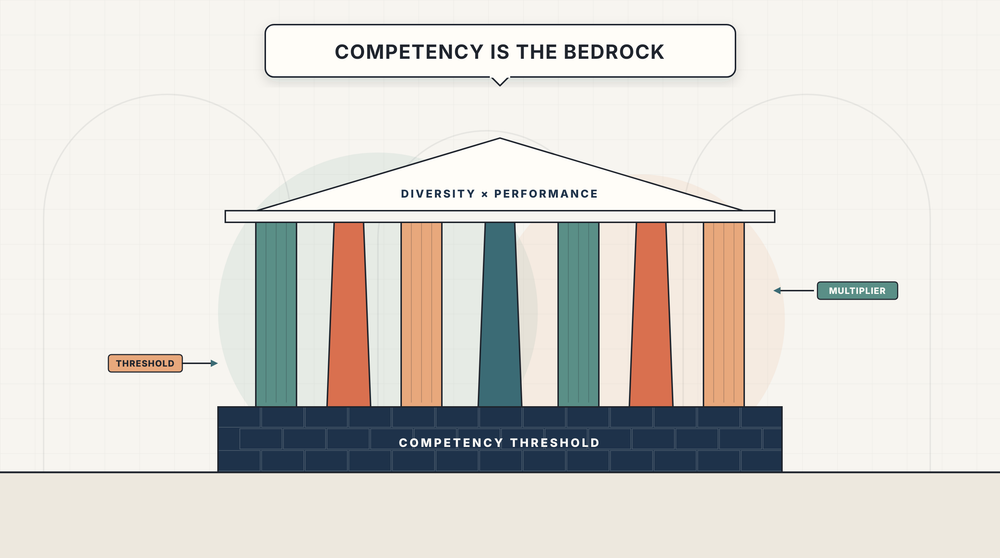
Diversity is a multiplier, and competency is the threshold. Why diverse teams only scale when they are built on a shared foundation of core capability.