Here's a pattern I see over and over with boards and executive teams. They redesign the org chart. New reporting lines go out. A shiny new strategy deck gets presented. Six months later, decisions still get made the exact same way, by the exact same people, through the exact same back channels. The structure changed on paper. Nothing changed in the building.
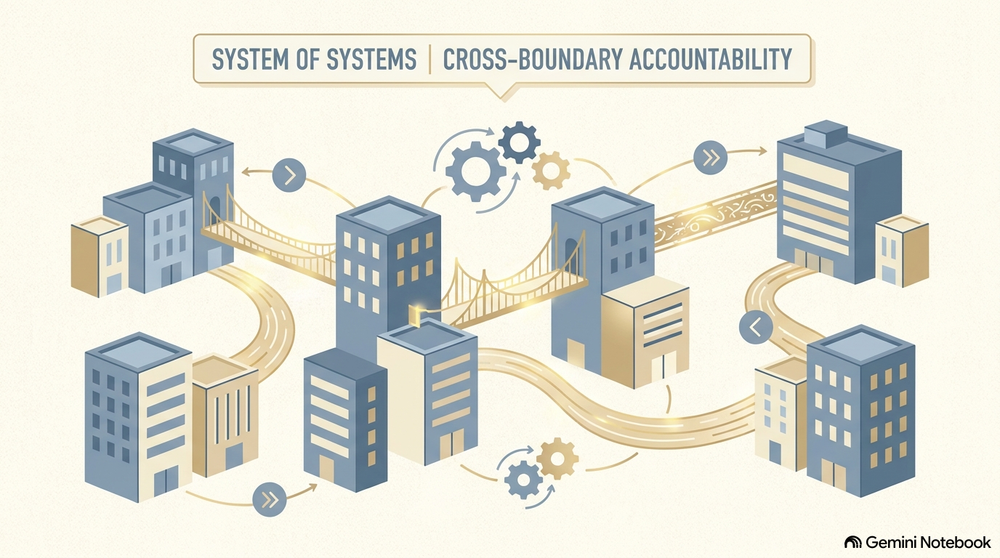
There's a good explanation for this, and it comes from an odd place: a 1968 paper by a computer scientist named Melvin Conway. His idea, now called Conway's Law, is simple: whatever system a company builds ends up looking exactly like the way that company talks to itself. Put five teams on one product who never talk to each other, and you'll get five bits stitched together pretending to be one product, no matter what the pretty architecture diagram says it's meant to look like. The system tells you the truth about the organisation. It doesn't sugar-coat it.
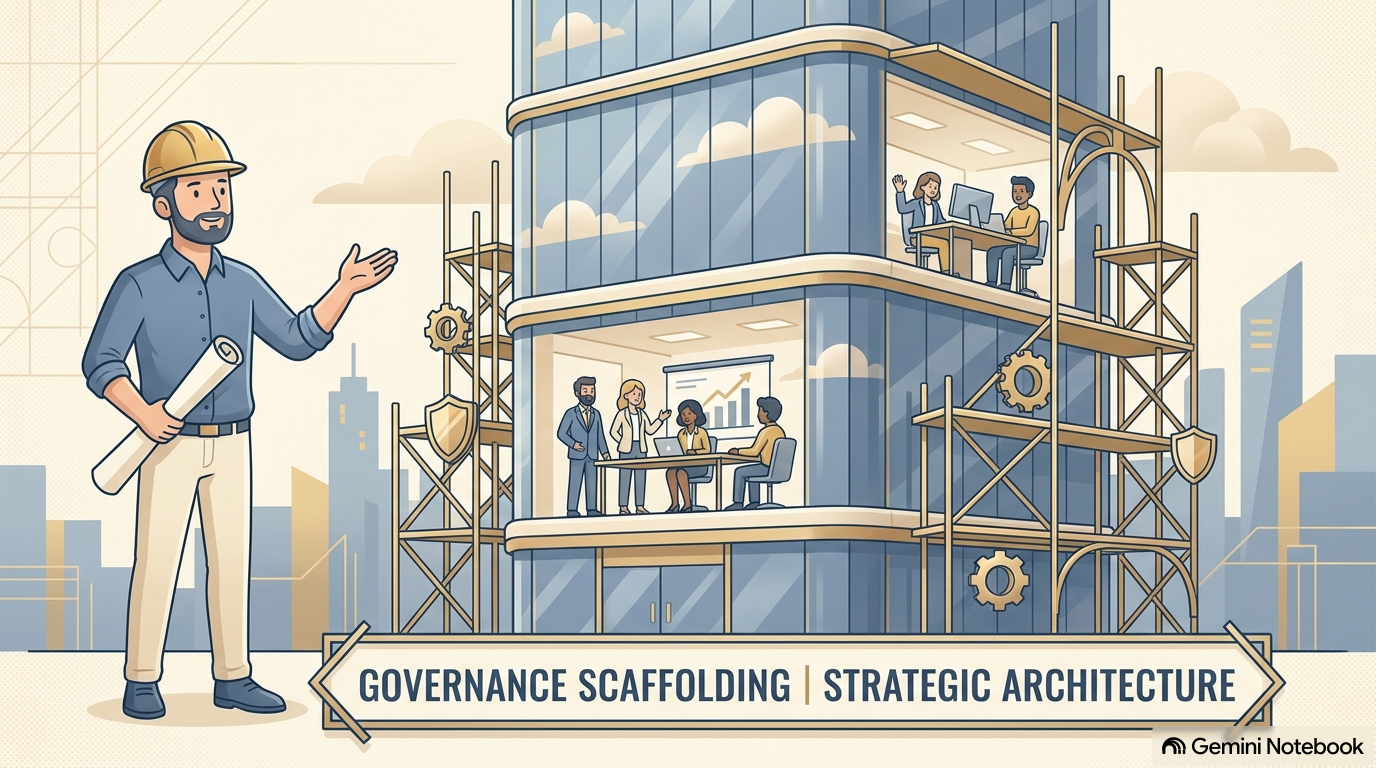
Most boards get this backwards. They think of enterprise architecture as an IT thing, some document that sits in a folder and gets dusted off once a year. But real architecture isn't a picture of your technology. Think of it as scaffolding. Scaffolding isn't the building, it's the temporary structure holding everything up while the real thing gets built. That's what good architecture does inside a company. It's not the strategy, and it's not the culture. It's the decision rights, the reference models, the interfaces, the stuff that lets strategy and culture actually stand up straight while the business keeps changing shape around them, which it always is. Get that scaffolding wrong and your strategy doesn't stand a chance, no matter how good it looks on paper.
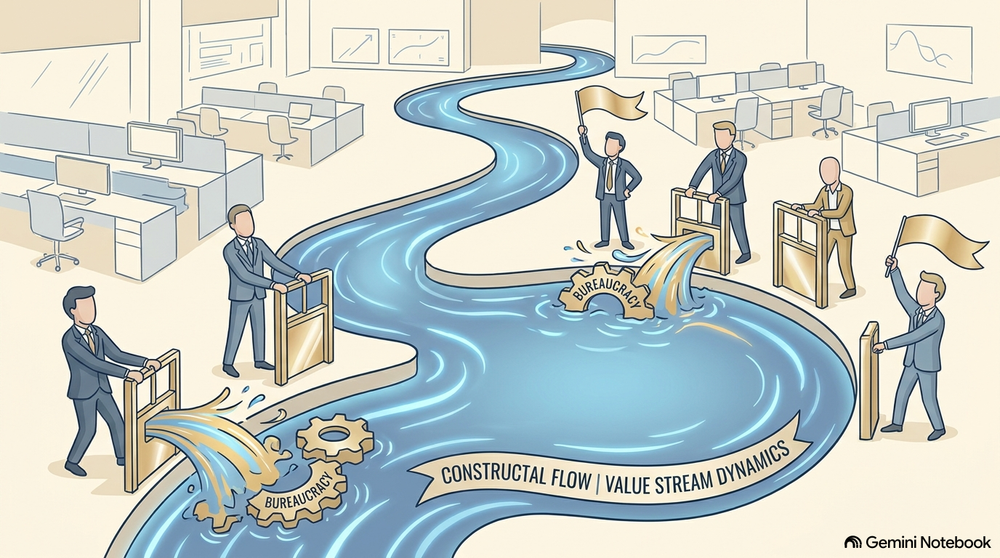
You've all seen the failure mode, even if nobody's put a name to it. A transformation programme announces a "customer-centric operating model." Meanwhile every cross-functional decision still has to crawl through five sign-offs designed for a product-siloed business from a decade back. The strategy says customer-centric. The scaffolding says something else entirely. And the scaffolding wins every time, because that's what people actually have to work through day to day. The deck is just what they're told to believe.
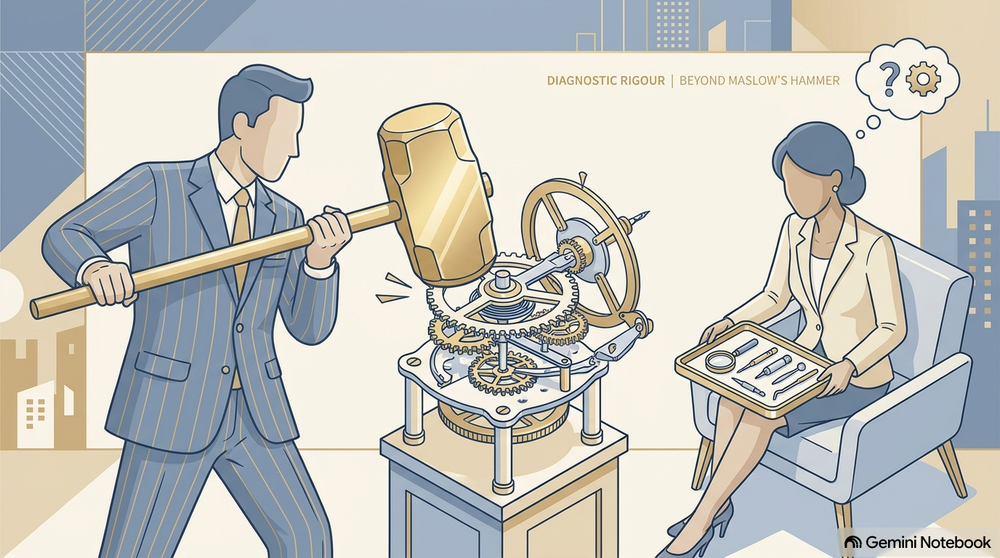
There's a fix, sometimes called the "reverse Conway move." Instead of letting your existing structure quietly decide your architecture for you, you flip it. Decide the structure you actually want, then build the architecture to match, on purpose. Say you want empowered, autonomous product teams. You won't get there by putting it in a values poster. You get there by handing those teams real decision rights, real data access, and real accountability, so being autonomous is actually possible for them. Only then does the org chart mean anything. Enterprise architecture isn't a box to tick once and file next to the risk register. It's one of the few real levers you have to make sure the business you say you're building is the business that actually shows up. A great strategy sitting on the wrong scaffolding doesn't collapse loudly. It just quietly turns into the old business wearing a new logo.
Two questions I'd love some honest pushback on:
- Where in your business is the architecture still shaped by how you used to talk to each other, rather than the operating model you're telling the market you've built?
- And the last time you redrew the org chart, did anyone actually check whether the systems, data, and decision rights got redrawn with it? Or is the scaffolding still exactly where it was?
This is what I spend a lot of my time on with boards and leadership teams: treating architecture as part of governance, not a technology afterthought, so the structure underneath actually holds up the business you're trying to become.
#EnterpriseArchitecture #Governance #OperatingModel #OrganisationalDesign #TechnologyStrategy #BoardGovernance #Leadership