AI Governance
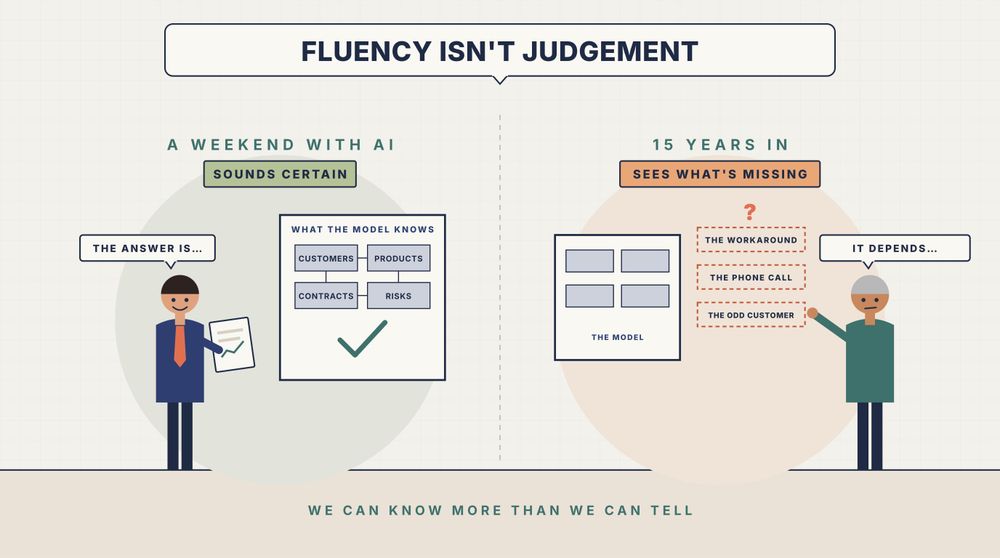
Fluency Isn't Judgement
AI makes the inexperienced sound certain and leaves the experienced sounding hesitant. Socrates, Dunning-Kruger and a 1993 definition of ontology explain why, and why the pause is often the wiser answer.
How boards and executives decide where, when and how AI gets used, and who answers for it. The rules, decision rights and oversight that keep AI aligned with strategy, law and the organisation's values.
AI Governance
AI makes the inexperienced sound certain and leaves the experienced sounding hesitant. Socrates, Dunning-Kruger and a 1993 definition of ontology explain why, and why the pause is often the wiser answer.
Enterprise Architecture
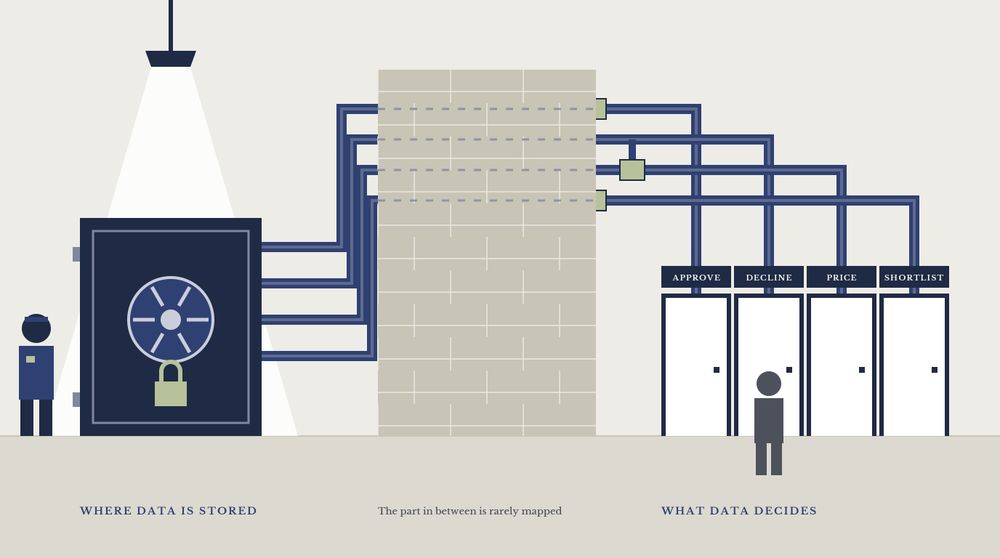
From 10 December, Australian privacy policies must describe the kinds of decisions computer programs make or shape, and the kinds of personal information they use. Writing that honestly is an enterprise architecture question, not just a data one.

AI Governance
AI has made access to knowledge as cheap as electricity, and your competitors pay the same price. Intelligence hasn't got any cheaper. The value has moved next door, to judgement.

AI Governance
AI makes us smarter but none the wiser. What the Dunning-Kruger effect, and a 2025 study of ChatGPT users, mean for leadership teams signing off AI-assisted work.

AI Governance
When automation does the work, people stop practising the judgement behind it. Robodebt showed what that costs at scale. Here's what executive teams can do about it.
Governance
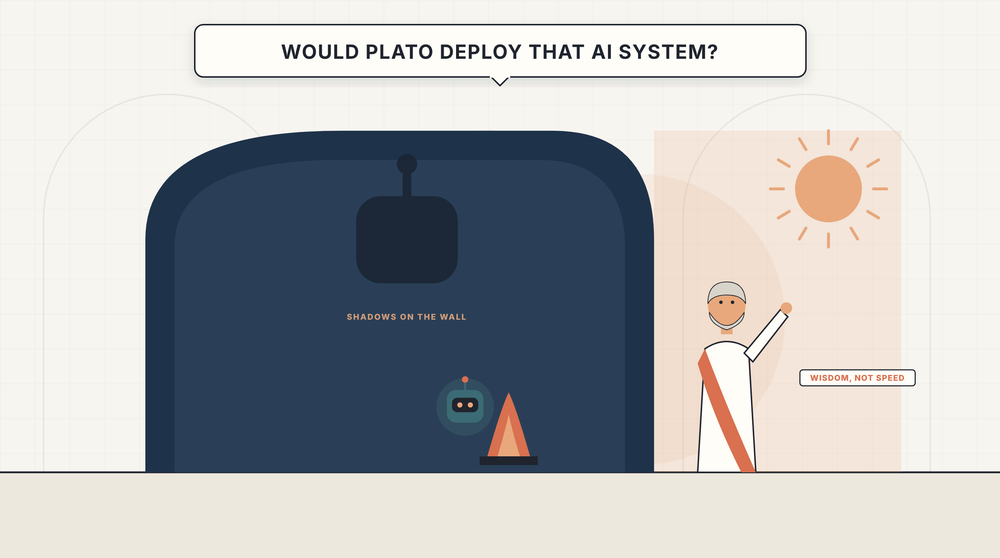
I’ve been sitting with a question from my PhD research that I think every board and executive team should be asking out loud, not just in the