Most board papers arrive with the answer already in them: Option C is recommended, and Options A and B are there mainly to make C look sensible. That's efficient, but it's also how boards end up agreeing to something before they've properly looked at it.
A simple idea from psychology, set out by the American psychologist J.P. Guilford in the 1950s, helps explain why, because he drew a line between divergent thinking, which goes wide and produces many possible answers to an open question, and convergent thinking, which narrows in on the one answer the facts support. His concern was that the intelligence tests of the day rewarded the second and largely missed the first.
Boardrooms are built for convergence, with agendas, papers, resolutions and minutes all designed to bring matters to a close, which works well when the question is clear and much less well when it isn't.
The pattern I see most often is a paper that converges before the board has had any chance to diverge, so directors end up testing one answer rather than exploring the problem, and the discussion turns on whether Option C is right rather than whether anyone asked the right question.
Irving Janis named the extreme version of this in 1972, calling it groupthink: a group reaching a premature consensus and then closing itself off to other views. The word worth noticing is premature, because agreement isn't the problem but agreeing too early is, which is why the order matters: open first, close second.
Open first. Before anyone asks "which option?", ask "what might be true?", which is where scenarios earn their place. Sketch three or four plausible futures, including the one nobody wants to raise, and ask what would make this investment look foolish in five years. This stage isn't for judging, because judging too early kills the ideas you'll need later.
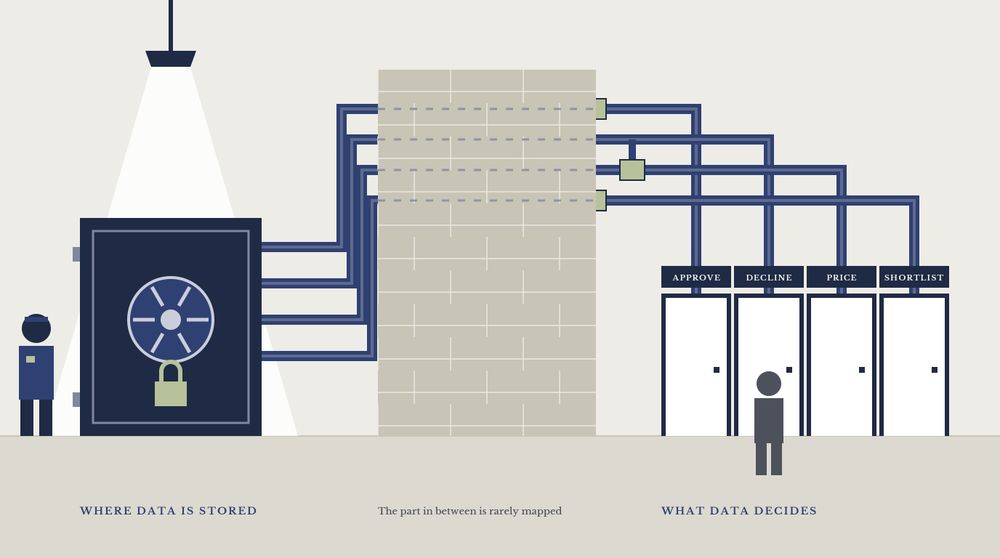
Check and agree the facts. Between the two sits a step boards often skip, which is agreeing what is actually known: which numbers are solid, which are estimates, and which are assumptions dressed up as facts. Until everyone shares the same picture, people are really voting on different problems.
Close second. Only now do you converge, weighing the options against the agreed facts, the scenarios and the organisation's purpose. Make the choice explicit, name who answers for it, and agree the signals that would bring it back to the table.
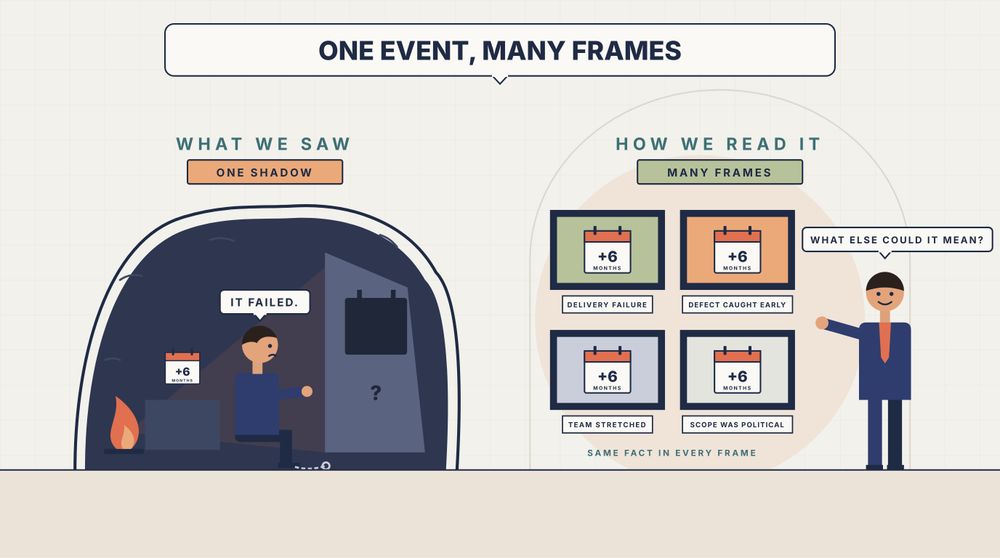
Edward de Bono, who coined "lateral thinking" in 1967, added a useful twist by comparing step-by-step logic to digging a hole: it can make the hole deeper and better, but it can never move it somewhere else. Lateral thinking is the sideways step that reframes the question before you narrow in, and the best answer is often the Option D that appears once someone asks the question differently.
None of this is new: Aristotle wrote that we deliberate about matters within our power whose outcome is uncertain, and that on important questions "we call in others to aid us in deliberation", because we don't trust our own judgement alone. Deliberation was never meant to be one clever person confirming their own answer, but a group thinking together, widely first and carefully second.
There's an ethical edge as well, because the people a decision will affect usually enter the conversation only in the divergent phase, when someone asks "who else?", so skipping that phase quietly decides whose interests count.
Three moves can help in your next board cycle:
(1) Split the agenda by putting an exploratory item ahead of the decision, ideally at an earlier meeting, so that "for discussion" comes before "for decision";
(2) Ask management for the options they rejected and why, to see how wide the thinking went before it reached you; and
(3) Have the chair say "we're now closing" out loud, so everyone knows when new ideas end and testing begins.
If you think back to your last major decision and the meeting spent five minutes opening the question and fifty-five closing it, the board may have ratified that decision rather than made it.
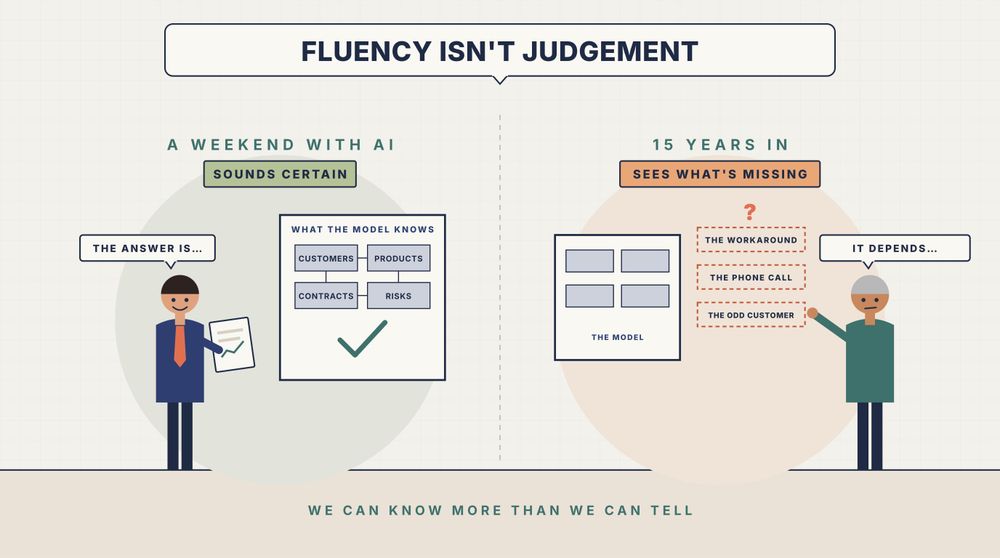
Good judgement isn't about deciding quickly, but about knowing when to stop opening the question and start closing it.
#DecisionMaking #DivergentThinking #LateralThinking #BoardGovernance #StrategicForesight #Philosophy #Governance #BusinessEthics #Leadership #Strategy
AI use declaration: I used Claude, an AI assistant made by Anthropic, for writing and review, copyediting and proofreading. I reviewed and edited the final text and take responsibility for it. Every source was checked against the original publication.