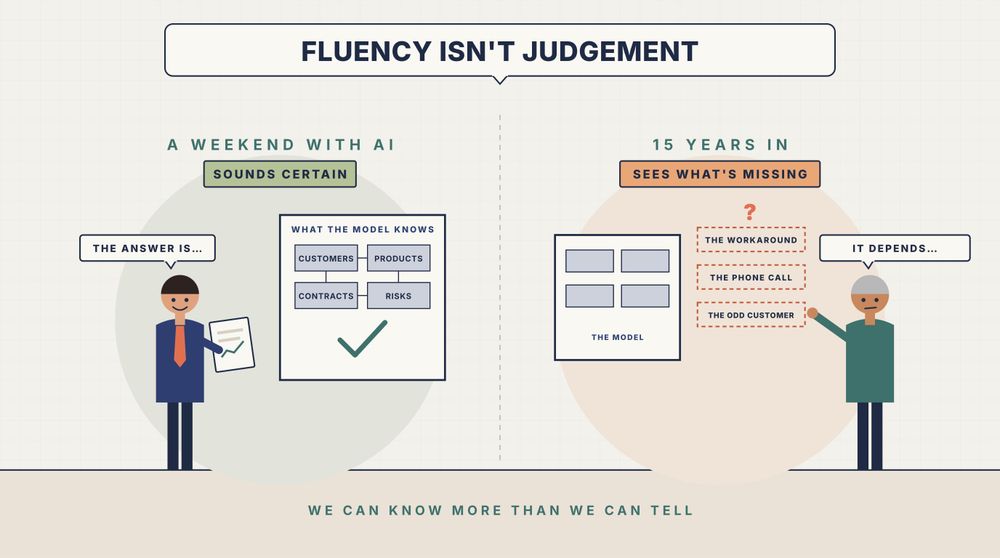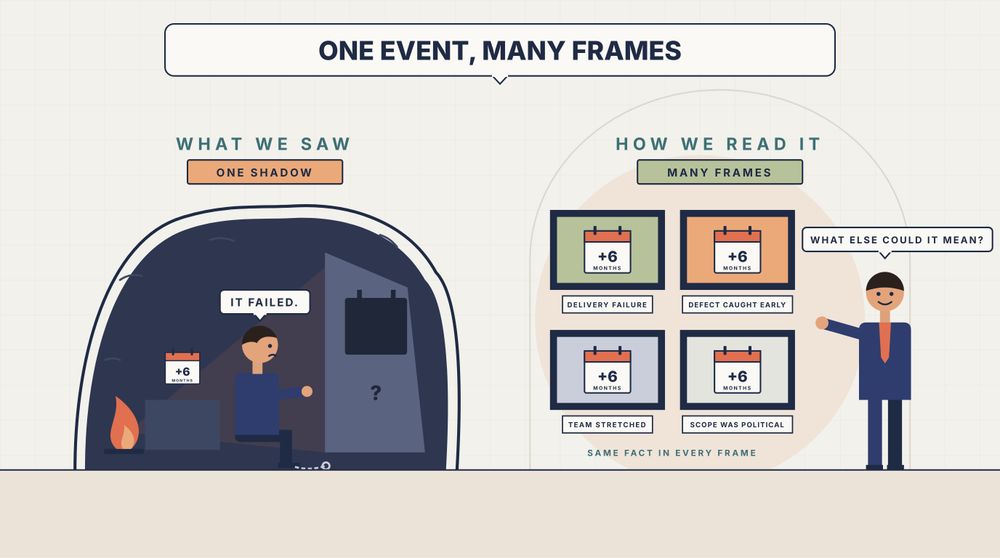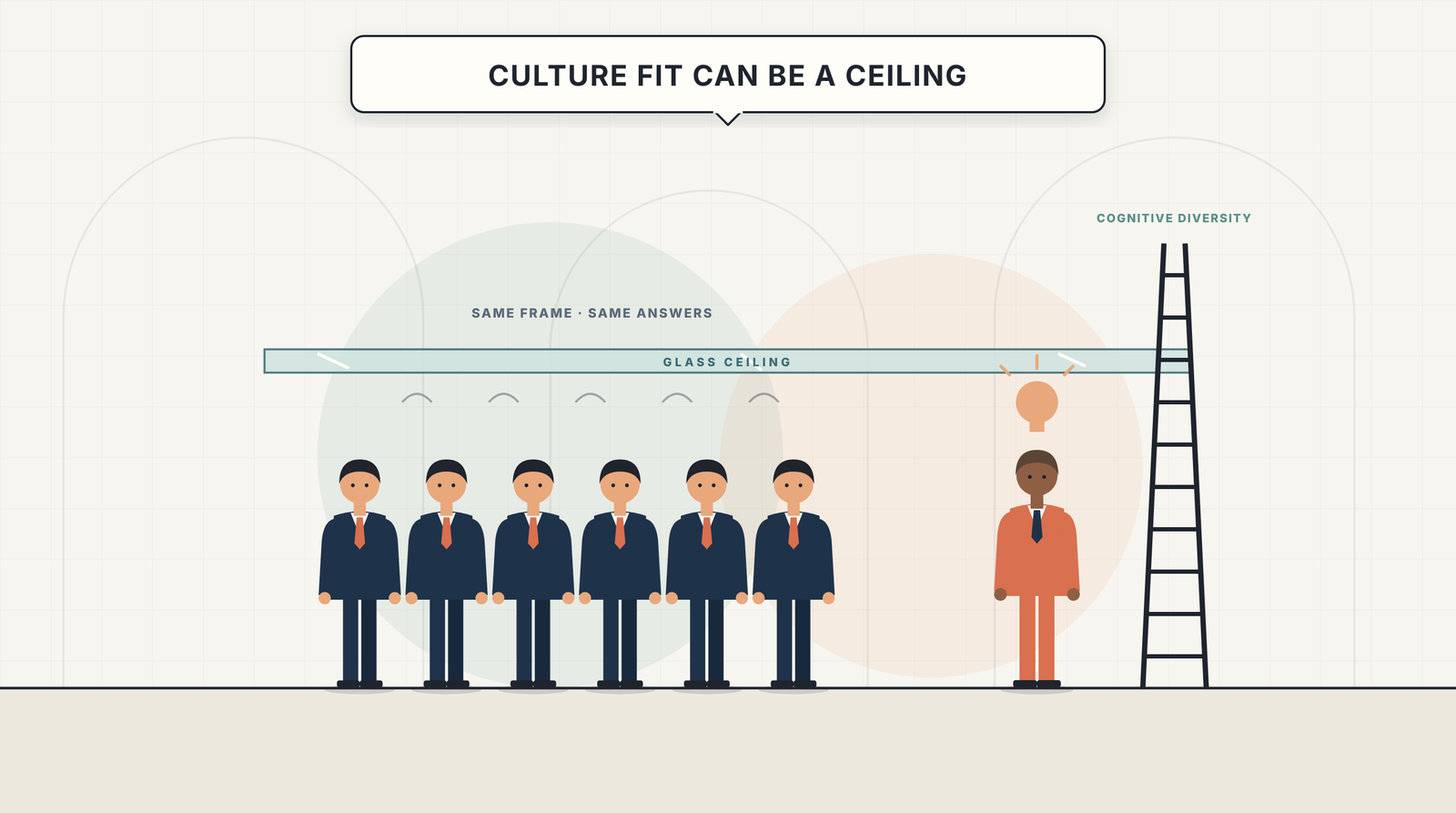
In the world of high-performance business, we often hear that "good is the enemy of great." In many of our organisations, we’ve built "good" cultures by focusing on "culture fit"—hiring people who mirror our values and communication styles. It feels seamless, it reduces friction, and it makes Monday mornings pleasant. However, this comfort can inadvertently create a strategic plateau. When we prioritise alignment over healthy tension, we risk building an echo chamber that is perfectly optimised for yesterday’s challenges, but unequipped for tomorrow’s shifts.
The next level of organisational maturity isn't found in more agreement, but in cognitive diversity. This is the inclusion of team members with different mental frameworks and "moral taste receptors". Unlike demographic diversity alone, cognitive diversity ensures that your strategy is stress-tested from multiple angles before it hits the market. It acts as a natural safeguard against "blind following," where even talented teams can drift toward a flawed consensus simply because no one feels empowered to break the "harmony".
Hiring for "culture fit" is often a search for sameness —the ability to execute existing processes with minimal social "drag." While this creates a steady, reliable operation, it often results in a "stabilised" performance level that lacks the agility required for true innovation. In an era of constant disruption, a team that "gets along" perfectly might actually be a team that has stopped engaging in the rigorous debate necessary for long-term health. We aren't failing; we are simply settling for a comfortable, mid-tier success that misses the "greatness" just beyond our current horizon.
Refined leadership is moving toward the "post-formal" stage—the ability to synthesise competing viewpoints into a single, robust direction. This requires a high degree of intellectual humility: the quiet confidence to admit that our own "rational tail" might just be justifying our "intuitive dog".
Great leaders don't just look for people who "fit" the current mould; they look for "culture adds"—individuals who bring the missing pieces of the cognitive puzzle to the table. If our hiring focus is purely on "seamless integration," we are essentially choosing the path of least resistance. While that path is "good," it rarely leads to "great." To unlock the next tier of performance, we need to embrace the constructive friction that cognitive diversity brings. It is in that space—where different perspectives meet—that the most market-leading strategies are born. Let’s stop looking for the "fit" and start looking for the "add" that pushes us to be better.